

Understanding Retinal Specialist Aizawl
Understanding Retinal Specialist Aizawl
Role of retinal experts
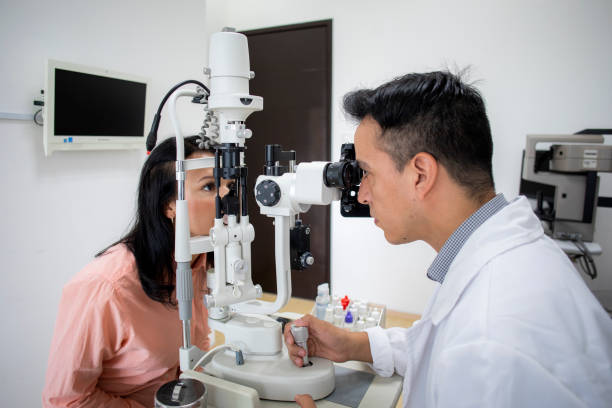
Retinal experts are eye specialists who diagnose and treat diseases related to the retina, which is the light-sensitive layer at the back of the eye. They manage complex conditions that cannot be handled by regular eye doctors. Their role includes performing detailed eye examinations, interpreting advanced imaging tests, and providing medical or surgical treatment. Retinal experts play a crucial role in preventing vision loss by identifying problems early and offering timely, specialised care tailored to each patient’s condition.
Importance of retinal health
Retinal health is essential because the retina directly affects how we see shapes, colours, and fine details. Any damage to the retina can lead to blurred vision, dark spots, or even permanent blindness if left untreated. Many retinal diseases develop slowly and show symptoms only at later stages. Maintaining good retinal health through regular eye check-ups helps detect issues early. Early diagnosis allows timely treatment, reduces complications, and helps preserve vision, especially for people with diabetes or aging-related eye risks.
When to consult a specialist
A person should consult a specialist when they experience sudden vision changes, flashes of light, floaters, blurred vision, or loss of side vision. Individuals with diabetes, high blood pressure, or a family history of eye disease should also seek regular specialist care. Ignoring early symptoms can worsen retinal damage. Consulting a specialist at the right time ensures accurate diagnosis, proper treatment, and better chances of saving vision. Early medical attention is key to preventing long-term or irreversible eye problems.
Common Retinal Problems
Diabetic retinopathy
Diabetic retinopathy is a serious eye condition caused by prolonged high blood sugar levels damaging the tiny blood vessels in the retina. Over time, these vessels may leak fluid or bleed, leading to blurred vision and vision loss. In early stages, symptoms may not be noticeable, which makes regular eye check-ups very important for people with diabetes to prevent permanent damage and maintain healthy vision.
Macular degeneration
Macular degeneration mainly affects the central part of the retina called the macula, which is responsible for sharp and detailed vision. It commonly occurs with aging and makes activities like reading, driving, and recognizing faces difficult. Vision becomes distorted or blurry in the center, while side vision remains normal. Early diagnosis and timely treatment can help slow disease progression and protect remaining eyesight.
Retinal detachment
Retinal detachment is a medical emergency where the retina pulls away from its normal position at the back of the eye. This stops the retina from receiving proper oxygen and nourishment. Symptoms may include sudden flashes of light, floaters, or a dark shadow in vision. Immediate medical attention is crucial, as delayed treatment can lead to permanent vision loss.
Advanced Retinal Diagnosis
Digital eye imaging
Digital eye imaging captures high-resolution photographs of the retina to document structural changes. It helps specialists detect bleeding, swelling, tears, and abnormal vessels early. Images are stored for comparison over time, allowing accurate monitoring of disease progression, treatment response, and subtle changes that may not be visible during routine eye examinations. This supports informed clinical decisions and patient education effectively.
OCT scanning
OCT scanning uses light waves to create cross-sectional images of retinal layers. It precisely measures thickness, fluid buildup, and nerve damage. This painless, non-invasive test is essential for diagnosing macular degeneration, diabetic retinopathy, and glaucoma, while guiding treatment decisions and tracking improvements or worsening with exceptional accuracy. Results help plan timely interventions and long-term visual outcome management for patients overall.
Fluorescein angiography
Fluorescein angiography involves injecting a special dye into the bloodstream to study retinal blood flow. As the dye circulates, detailed images reveal leaks, blockages, and abnormal vessels. It is especially useful in diagnosing diabetic retinopathy, retinal vein occlusion, and macular disorders requiring precise vascular assessment. The test supports accurate treatment planning and monitoring disease severity progression over time in patients.
Conditions Treated by Retinal Specialist Aizawl
Retinal Specialist Aizawl for diabetic eye disease
Diabetic eye disease affects the retina due to prolonged high blood sugar levels. A retinal specialist focuses on early detection, monitoring disease progression, and preventing vision loss through timely treatment, regular eye examinations, and advanced medical or laser-based interventions to protect long-term eyesight.
Retinal Specialist Aizawl for age-related vision loss
Age-related vision loss commonly occurs due to conditions like macular degeneration. A retinal specialist evaluates retinal changes associated with aging, manages symptoms, slows disease progression, and helps patients maintain functional vision using modern diagnostic tools and personalized treatment plans suited for elderly patients.
Retinal treatment options
Retinal treatment options include laser therapy, intravitreal injections, and surgical procedures depending on the condition’s severity. A retinal specialist carefully selects the appropriate treatment to stabilize the retina, reduce complications, and preserve vision while ensuring patient safety and long-term visual outcomes.
Dr. Lyna Solo – Retinal Specialist Aizawl
Professional background
Dr. Lyna Solo is a qualified retinal specialist with advanced training in medical and surgical retina, years of clinical experience, and a strong commitment to ethical, evidence based ophthalmic practice.
Clinical expertise
She specializes in diagnosing and treating complex retinal disorders, including diabetic retinopathy, macular degeneration, retinal detachment, and vision threatening conditions, using modern technology, precision techniques, and patient safe treatment protocols.
Patient-focused care
Her approach emphasizes clear communication, compassionate care, accurate diagnosis, personalized treatment plans, regular follow ups, and long term eye health, ensuring patients feel informed, comfortable, and confident throughout the care journey.
Modern Retinal Treatment Approaches
Laser therapy
Laser therapy is used to treat retinal conditions by sealing leaking blood vessels, reducing abnormal vessel growth, and preventing further vision damage. It is commonly used for diabetic retinopathy and retinal tears, helping stabilize vision and slow disease progression effectively.
Injection-based treatments
Injection-based treatments involve delivering anti-VEGF or steroid medicines directly into the eye. These injections reduce swelling, control abnormal blood vessel growth, and improve or maintain vision in conditions like macular degeneration and diabetic macular edema.
Surgical interventions
Surgical interventions are required for severe retinal disorders such as retinal detachment or vitreous hemorrhage. Advanced procedures like vitrectomy help repair retinal damage, remove scar tissue, and restore the structure of the eye to preserve vision.
Book Appointment with Retinal Specialist Aizawl
Consultation availability
Consultation availability includes flexible clinic hours, timely slots, emergency retinal care access, and planned visits based on patient condition severity.
Appointment scheduling
Appointment scheduling is simple, efficient, patient-friendly, allowing advance booking, minimal waiting time, clear communication, and confirmation for retinal consultations services.
Follow-up care process
Follow-up care process ensures continuous monitoring, treatment evaluation, recovery tracking, medication guidance, and timely reviews to maintain long-term retinal health.
📱 Call or WhatsApp: +91 79740 58215
🌐 Website: www.drlynasolo.com
📍 Consulting in Aizawl – by appointment
Final Thoughts
Importance of early diagnosis
Early diagnosis helps detect retinal problems sooner, prevents complications, enables timely treatment, preserves vision, and improves long-term eye health outcomes.
Long-term vision protection
Long-term vision protection requires regular eye checkups, healthy lifestyle habits, proper disease management, and consistent follow-up with specialists over time.
Choosing the right eye specialist
Choosing the right eye specialist ensures accurate diagnosis, advanced treatment options, personalized care, trust, confidence, and better visual outcomes overall.
OPENING HOURS
Aizawl Hospital
Mon to Sat – 10:30am to 2:00pm
LRM Hospital
Mon to Sat – 2:30pm to 4:30pm
