

Overview of Ocular Surgery Aizawl
Common vision problems addressed
Ocular surgery in Aizawl helps manage many common vision problems that affect daily life. These include cataracts causing cloudy sight, refractive errors such as myopia and hyperopia that make objects unclear, glaucoma that damages the optic nerve, and retinal issues that blur central or side vision. Corneal scars, injuries, and advanced diabetic eye disease are also treated. By addressing these problems through appropriate procedures, patients can restore clearer vision, reduce discomfort, prevent further damage, and return to activities with confidence.
When surgery is recommended
Surgery for ocular conditions is recommended when medicines, glasses, or non-invasive treatments no longer give adequate relief or clear vision. It is advised in advanced cataracts, uncontrolled glaucoma, significant corneal damage, or retinal detachment where delay may risk permanent vision loss. Doctors may also suggest surgery when vision problems limit driving, reading, or work, or when pain and infections persist. After eye examination and discussion of risks and benefits, surgery is recommended to protect sight and improve quality of life.
Key benefits for patients
Patients undergoing ocular surgery in Aizawl can experience important benefits. The primary benefit is clearer vision, helping people see faces, read, and move safely. Surgery can reduce glare, double vision, and dependence on thick glasses or contact lenses. In some conditions, timely surgery prevents worsening disease and permanent blindness. Many patients also feel relief from long-term eye pain and strain. Overall, better vision increases confidence, independence, work performance, and enjoyment of daily activities, leading to an improved quality of life.
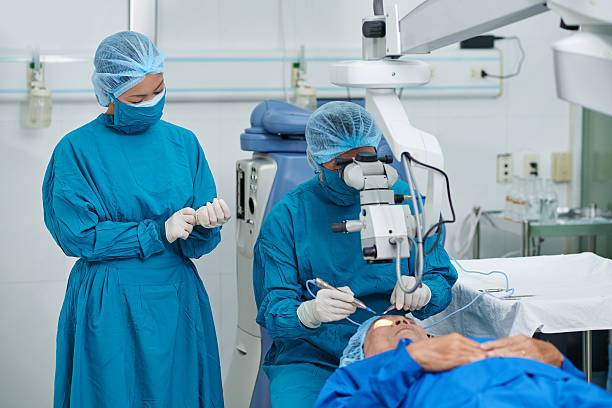
Understanding Eye Conditions Requiring Surgery
Cataract and blurry vision
Cataracts occur when the natural lens inside the eye becomes cloudy, causing blurry vision. People may notice glare, faded colors, difficulty reading, or trouble seeing at night. Glasses often stop helping as the cataract grows. When daily activities are affected or vision becomes unsafe for work or driving, surgery is usually advised. Modern cataract surgery replaces the cloudy lens with a clear artificial lens, restoring sharper vision successfully for patients.
Corneal and retinal issues
Corneal and retinal problems can affect sight because they involve vital structures at the front and back of the eye. Corneal scars, infections, or keratoconus may cause pain, light sensitivity, and distorted vision. Retinal issues like detachments, tears, or diabetic damage can lead to shadows, flashes, or sudden vision loss. When medicines or glasses cannot help, surgical treatment becomes necessary to protect sight, relieve symptoms, and prevent permanent vision loss.
Severe refractive errors
Severe refractive errors such as high myopia, hyperopia, or astigmatism occur when the eye cannot focus light, making objects appear blurry at various distances. People may experience headaches, eye strain, or dependence on thick glasses and contact lenses. When vision remains unclear despite corrective lenses, surgical options like laser or lens-based procedures may be suggested. These surgeries aim to improve focus, boost visual freedom, and enhance comfort and overall confidence.
Types of Ocular Procedures
Laser-based treatments
Laser-based treatments use focused light energy to correct or improve different eye problems. They are commonly used for cataracts, glaucoma, diabetic eye disease, and vision correction like LASIK. These procedures are usually quick, cause minimal discomfort, and help patients recover faster. Doctors carefully plan the treatment to protect eye tissues while improving vision clarity, safety, and daily comfort for patients.
Benefits of Ocular Surgery Aizawl
Ocular Surgery Aizawl offers many benefits for people with vision problems. It can restore clear sight, reduce dependence on glasses, and treat conditions that medicines cannot fix. Modern technology and trained specialists focus on safety and accuracy. Faster recovery, better quality of life, and renewed confidence are common results. Early consultation helps detect issues sooner and supports long-term eye health.
Minimally invasive options
Minimally invasive options use tiny incisions and advanced tools to treat eye conditions with less pain and quicker healing. These procedures lower the risk of complications and allow patients to return to daily activities sooner. They are often used for cataract removal, glaucoma treatment, and corneal repair. Doctors decide suitability after detailed eye tests and medical history review for patients.
Patient Eligibility and Preparation
Medical evaluation requirements
Your doctor will first review your medical history, current medicines, allergies, diabetes, blood pressure, and past eye treatments. A complete eye examination, vision tests, and measurements of eye pressure are done. General health checks may be suggested to ensure you are fit for surgery and anesthesia, reducing risks and complications.
Pre-surgery instructions
Before surgery, follow fasting instructions, take prescribed medicines, and stop ones your doctor advises against, such as blood thinners if told. Keep eyes clean, avoid makeup and contact lenses, and arrange someone to accompany you home. Clarify doubts, sign consent forms, and follow all hospital guidance for smooth surgery day.
Tests and documentation needed
You may be asked for recent blood tests, sugar levels, ECG, or other reports based on age and health. Eye scans and measurements will be taken for accurate surgical planning. Carry identity proof, referral letters, insurance papers, previous prescriptions, and reports. Keep everything in a file for quick hospital verification.
Recovery, Aftercare, and Results
Healing timeline
Healing after ocular surgery usually happens step-by-step. Mild blurriness, irritation, or watering are common in the first days. Most people notice clearer vision within one to two weeks, while complete recovery may take a few weeks. Follow doctor advice closely.
Postoperative care for Ocular Surgery Aizawl
After surgery, follow all prescribed eye drops and medicines exactly as instructed. Avoid rubbing eyes, heavy lifting, dusty places. Use eyewear when advised. Attend follow-up visit for Ocular Surgery Aizawl to track healing and report pain, redness, vision changes promptly.
Managing side effects
Some side effects like itching, mild pain, glare, or watery eyes can occur after surgery. Do not self-medicate. Use prescribed drops, rest well, and protect eyes from dust and bright light. Contact your doctor if symptoms worsen or vision decreases.
About Dr. Lyna Solo
Qualifications and expertise
Dr. Lyna Solo holds advanced degrees in ophthalmology with specialized training in modern ocular surgery techniques, ensuring safe, precise, and effective treatment for all types of eye conditions in Aizawl.
Clinical experience highlights
With years of hands-on experience, Dr. Lyna Solo has successfully performed hundreds of ocular surgeries, including cataract, LASIK, and retinal procedures, earning patients’ trust and recognition across Aizawl and nearby regions.
Patient-focused treatment approach
Dr. Lyna Solo prioritizes patient comfort and understanding, explaining procedures clearly, answering questions patiently, and tailoring treatment plans individually for optimal outcomes and long-term eye health in Aizawl.
Book Appointment on Ocular Surgery Aizawl
Scheduling options available
You can book your ocular surgery appointment online or via phone, choosing the most convenient date and time for treatment.
Contact and consultation steps
Reach out to the clinic directly, provide basic details, and confirm your consultation with the eye specialist for personalized guidance.
Schedule Ocular Surgery Aizawl
Finalize your surgery date after consultation, receive pre-surgery instructions, and prepare for a safe, comfortable ocular surgery experience in Aizawl.
📱 Call or WhatsApp: +91 79740 58215
🌐 Website: www.drlynasolo.com
📍 Consulting in Aizawl – by appointment
Final Thoughts on Ocular Surgery Aizawl
Key takeaways
Ocular Surgery Aizawl provides advanced, safe, and effective treatments, helping patients restore vision and improve overall eye health confidently.
Why choose Ocular Surgery Aizawl
Expert surgeons, modern technology, and personalized care make Ocular Surgery Aizawl the trusted choice for all types of eye treatments.
Encouragement for timely eye care
Early diagnosis and treatment at Ocular Surgery Aizawl prevent complications, ensuring healthy eyes and better vision for a lifetime.
OPENING HOURS
Aizawl Hospital
Mon to Sat – 10:30am to 2:00pm
LRM Hospital
Mon to Sat – 2:30pm to 4:30pm
