

Understanding Cataracts
Causes and risk factors
Cataracts develop when the eye’s natural lens becomes cloudy, affecting vision. Common causes include aging, genetics, diabetes, prolonged exposure to sunlight, smoking, and eye injuries. Certain medications like steroids may increase risk, and lifestyle habits such as poor nutrition or excessive alcohol can contribute. People over 60 are more prone, but cataracts can also occur earlier due to health conditions or trauma. Understanding these factors helps in early prevention and protecting long-term eye health.
Symptoms to watch out
Cataracts often develop gradually, so early symptoms can be subtle. Common signs include blurred or cloudy vision, difficulty seeing at night, sensitivity to bright lights, and halos around lights. Colors may appear faded, and frequent changes in eyeglass prescriptions might be needed. Some people notice double vision in one eye or squinting to see clearly. Identifying these symptoms early allows timely consultation with an eye specialist, preventing worsening vision problems.
Early detection tips
Detecting cataracts early improves treatment outcomes. Regular eye checkups, especially after age 50, are crucial. Pay attention to changes in vision, night driving difficulties, or increased glare sensitivity. Using protective eyewear outdoors and managing health conditions like diabetes can help. Discuss any visual changes with your eye doctor promptly. Early detection may allow lifestyle adjustments or corrective lenses temporarily, delaying surgery and maintaining clear vision for longer. Prevention and monitoring are key to healthy eyes.
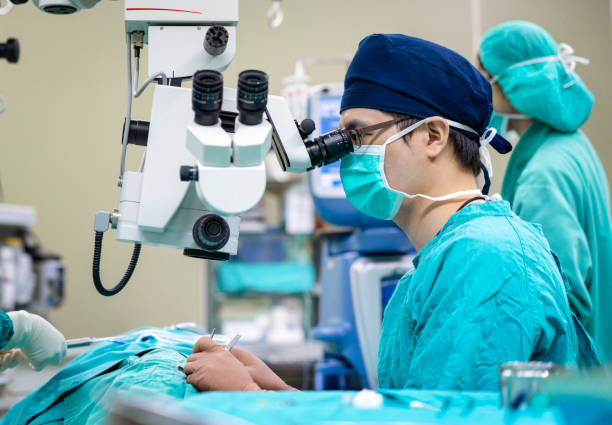
Different Treatment Options
Surgical procedures explained
Cataract surgery is the most effective way to restore clear vision. The cloudy lens is carefully removed and replaced with an artificial lens. Modern techniques are painless, quick, and highly successful. Procedures like phacoemulsification allow small incisions and faster recovery. The surgery is customized for each patient, considering age, health, and eye condition. Consulting a specialist ensures safe and accurate results for long-term vision improvement.
Non-surgical care methods
In the early stages of cataracts, surgery may not be immediately required. Non-surgical care focuses on managing symptoms and slowing progression. This includes proper lighting while reading, wearing anti-glare glasses, and protecting eyes from UV rays. Eye drops may relieve dryness or irritation, and regular checkups track changes in vision. Healthy lifestyle habits, such as a balanced diet rich in vitamins, can also support overall eye health.
Recovery tips from Best Eye Doctor for Cataracts Aizawl
After cataract surgery, following expert advice is key to a smooth recovery. Avoid heavy lifting or strenuous activities for a few weeks. Protect your eyes from dust, water, and direct sunlight. Use prescribed eye drops on time to prevent infection and reduce inflammation. Attend all follow-up appointments with the Best Eye Doctor for Cataracts Aizawl. Maintaining a healthy lifestyle and proper rest ensures faster healing and better vision outcomes.
Benefits of Consulting Specialists
Personalized treatment plans
Consulting a specialist ensures your treatment plan is tailored specifically for your eyes. They consider your age, lifestyle, and health conditions to recommend the most suitable cataract care. This personalized approach increases the success rate of surgery, reduces risks, and ensures faster recovery. Every step is designed to match your individual vision needs and comfort.
Advanced technology advantages
Specialists use the latest eye care technologies and surgical tools, making treatments safer, faster, and more precise. Modern equipment helps detect cataracts early, perform minimally invasive surgeries, and monitor progress effectively. Patients benefit from enhanced accuracy, less discomfort, and better long-term vision results. Advanced technology improves outcomes and makes the treatment experience smoother.
Long-term vision improvement
Seeing a specialist not only treats current cataracts but also protects your vision for the future. Experts provide guidance on post-treatment care, lifestyle changes, and preventive measures. This long-term approach reduces the chances of vision deterioration, helps maintain eye health, and ensures you enjoy clear, healthy vision for years after the treatment.
Common Cataract Myths
Misconceptions about surgery
Many people believe cataract surgery is risky or painful. In reality, modern techniques are safe, quick, and often painless. Complications are rare, and recovery is fast. Understanding the facts can help you make informed decisions about your eye health without unnecessary fear or delay.
Truths about eye care
Cataracts are a natural part of aging, but regular eye care can slow progression. Eating healthy, protecting eyes from sunlight, and having routine checkups all help maintain vision. Knowing these truths can prevent unnecessary worry and promote proactive steps to keep eyes healthy for years to come.
Advice from Best Eye Doctor for Cataracts Aizawl
Experts recommend early consultation when vision changes. The Best Eye Doctor for Cataracts Aizawl advises timely surgery, personalized treatment, and follow-up care to ensure successful outcomes. Listening to professional guidance can help patients preserve vision, avoid complications, and maintain a better quality of life.
Preventive Measures
Diet and lifestyle tips
Eating a balanced diet rich in vitamins A, C, and E helps maintain clear vision. Avoid smoking and excessive alcohol. Healthy habits like proper sleep and hydration support long-term eye health and can slow cataract development.
Eye exercise recommendations
Simple daily eye exercises, like focusing on near and far objects or gentle eye rotations, can reduce strain. Regular practice improves flexibility, circulation, and relaxation in the eyes, helping maintain optimal vision and supporting overall eye wellness.
Regular checkups with Best Eye Doctor for Cataracts Aizawl
Visiting the Best Eye Doctor for Cataracts Aizawl regularly ensures early detection of cataracts and other eye issues. Timely checkups allow for proper guidance, treatment planning, and maintaining long-term vision health before problems worsen.
Dr. Lyna Solo – Leading Cataract Expert
Education and experience of Dr. Lyna Solo
Dr. Lyna Solo has extensive medical education and years of practical experience in cataract surgeries, offering patients expert guidance, safe procedures, and personalized care for better vision outcomes.
Special techniques used by Dr. Lyna Solo
She uses advanced cataract surgery techniques, including laser-assisted procedures, to ensure minimal discomfort, faster recovery, and precise results tailored to each patient’s eye condition and lifestyle.
Patient success stories with Best Eye Doctor for Cataracts Aizawl
Many patients treated by Dr. Lyna Solo report remarkable vision improvement, quick recovery, and excellent follow-up care, making her one of the most trusted specialists in Aizawl for cataract treatment.
Book Appoinment Best Eye Doctor for Cataracts Aizawl
Easy booking options
You can quickly book your appointment online or via phone, choosing a time that fits your busy schedule easily.
Consultation steps explained
Learn what happens during your consultation, from initial eye checkup to discussing treatment options, so you feel fully prepared.
Schedule your visit with Best Eye Doctor for Cataracts Aizawl
Book your visit with Best Eye Doctor for Cataracts Aizawl for expert advice, treatment planning, and long-term vision care guidance.
📱 Call or WhatsApp: +91 79740 58215
🌐 Website: www.drlynasolo.com
📍 Consulting in Aizawl – by appointment
Final Thoughts
Importance of timely treatment
Early cataract treatment prevents vision loss, reduces complications, and ensures faster recovery, helping you maintain clear eyesight and daily life comfort.
Choosing the right specialist
Selecting an experienced eye doctor ensures proper diagnosis, safe procedures, personalized care, and better outcomes for cataract treatment and long-term eye health.
Maintaining healthy vision
Regular checkups, a healthy diet, protective eyewear, and following medical advice help maintain good vision and prevent future eye problems.
OPENING HOURS
Aizawl Hospital
Mon to Sat – 10:30am to 2:00pm
LRM Hospital
Mon to Sat – 2:30pm to 4:30pm
